
Greece tours turn a big, busy country into a trip that feels effortless. Couples, families, friends, solo travelers and first-time visitors all find a plan that fits, from island beaches to ancient ruins. Every region has its own mood.
This guide walks through the sights, the kinds of tours and the comforts that come with them. My Greece Tours helps every traveler match those choices to a pace that feels comfortable. Read on, then pick your favorite region.
What Do Greece Tours In Crete And Beyond Offer Visitors?
Tours in Crete and beyond combine ancient palaces, old harbours and unspoiled beaches with guided days that remove all the planning. Compare ideas on Greece tours and Tours In Greece before you choose the days that suit your own trip.
Which sights make Crete and beyond special?
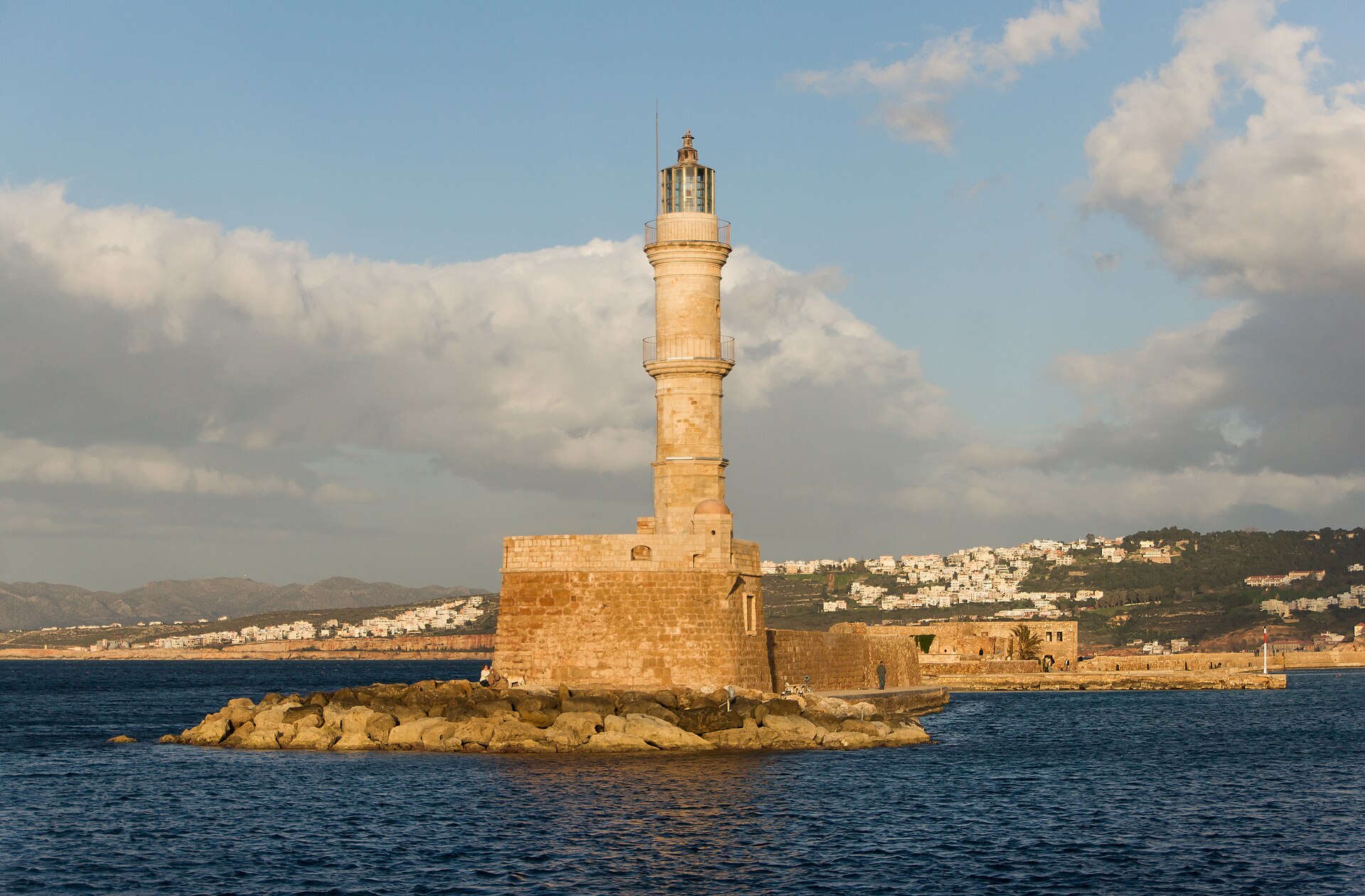
The palace of Knossos shows how an ancient civilization lived, with red columns and colorful wall paintings. Chania old harbour adds a lighthouse, narrow lanes and waterfront restaurants. The lagoons of Balos and Elafonisi bring pale sand and turquoise shallows.
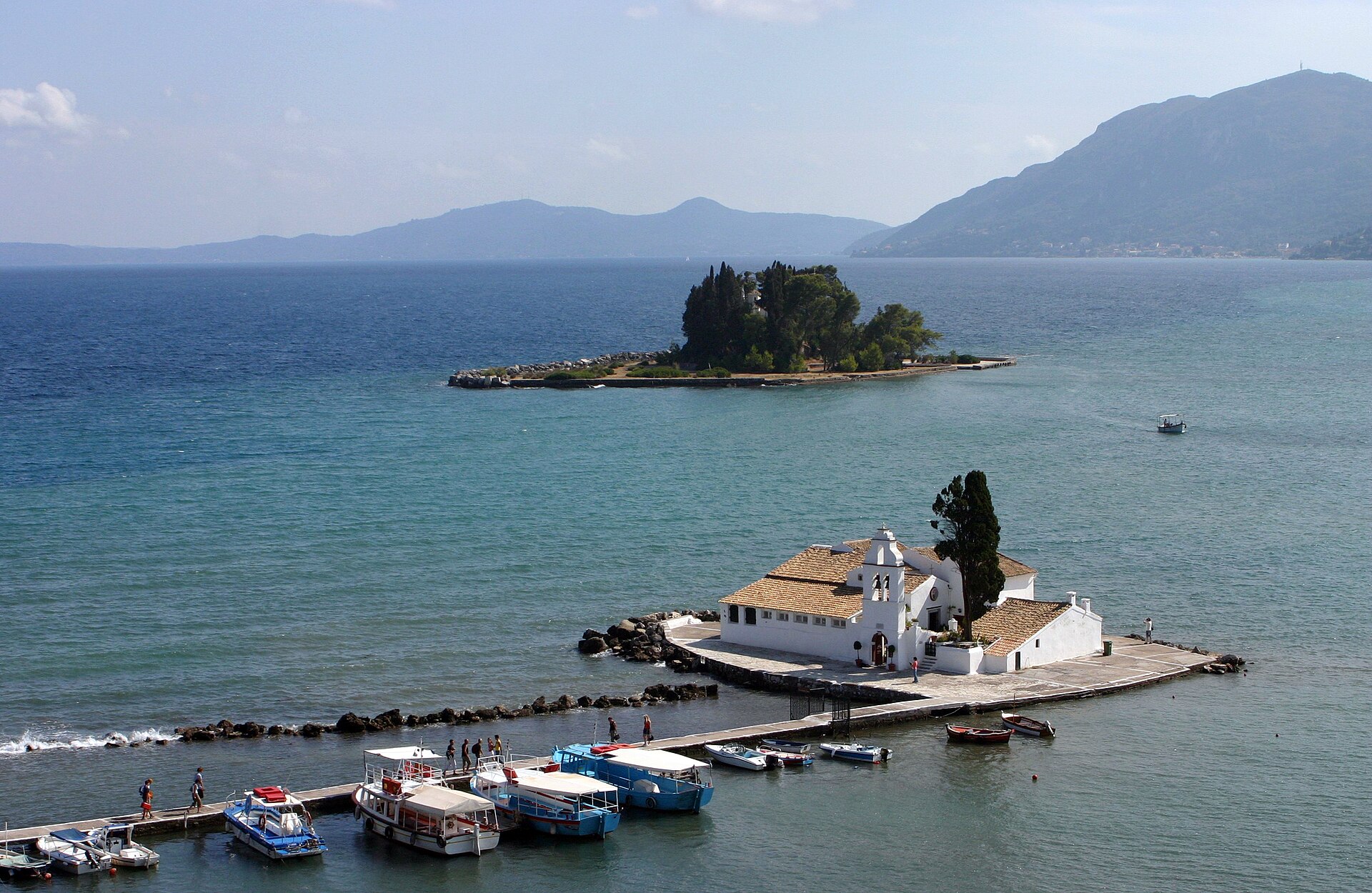
The Old Town of Rhodes preserves its medieval walls, and Lindos climbs toward a hilltop temple above a bay. Corfu old town charms with arcades, fortresses and lanes. Navagio on Zakynthos is a shipwreck beach seen from cliff or sea.
Which Greece tours make Crete and beyond easy?
Private tours with a driver-guide or skipper suit couples and families who want their own pace, and one price covers everyone. Boat cruises with swim stops suit swimmers and sunbathers who prefer sea breezes to long walks.
Full-day trips from Athens by coach suit first-time visitors who want an effortless day out of the capital. Cooking classes and wine tastings suit curious eaters who want a break from sightseeing. Island hoppers add Kefalonia to the same plan.
What comes with Greece tours in Crete and beyond?
Quality tours include lunch or a BBQ meal, so nobody searches for a table at midday. Drinks come with the meal, and on some tours they are unlimited. A licensed or local guide explains each sight, so history feels clear.
Free time to explore lets travelers wander the lanes or rest on the sand at their own speed. Wine tastings add local flavor, and swim stops cool everyone down on hot days. Together these extras keep the day comfortable.
How do you avoid stress in Crete and beyond?
Start early to beat the heat and the crowds at major sights. Dress lightly, wear a hat and comfortable shoes, and pack sunscreen, water and a swimsuit for beach stops.
Choose a pace that matches the slowest traveler, and leave space for rest. Keep a light jacket for breezy boat decks, because evenings cool fast by the sea.
What Are The Best Greece Tours In The Cyclades?
The best tours in the Cyclades pair white villages and blue water with easy boat travel, local flavor and well-planned days. Greece tours here suit sunset chasers, beach lovers, history fans and anyone who wants a calm, stress-free day.
Which sights make the Cyclades special?
The cliff villages of Santorini stack white houses and blue domes above a enormous sea-filled crater. The windmills of Mykonos stand proudly over the town like postcards. The island sanctuary of Delos holds the ruins of a sacred ancient city.
The sea caves of Milos glow with unusual colors when boats drift in close. The old town of Naxos winds through lanes below an old castle. The harbour of Naoussa on Paros fills with colorful fishing boats and waterfront tavernas.
Which Greece tours make the Cyclades easy?
Private tours with a driver-guide or skipper suit couples and families who want a custom day, and one price covers all guests. Small-size tours with few guests suit solo travelers who want company without a crowd.
Boat cruises with swim stops suit beach lovers, and full-day trips from Athens by coach suit visitors who stay in the capital. Snorkel and beginner scuba trips suit active travelers, while cooking classes and wine tastings suit food lovers.
What comes with Greece tours in the Cyclades?
A lunch or BBQ meal keeps energy levels high during a long sea day. Drinks arrive with the food, and on some tours they are unlimited. Cold drinks matter when the sun is strong and the breeze is dry.
Snorkel gear comes with water trips, so nobody carries a mask from home. Wine tastings let travelers try island bottles and meet local makers. Swim stops give bays and caves a closer look and a cool break from the heat.
How do you avoid stress in the Cyclades?
Reserve morning departures, because the sea is calmer and the villages are quieter. Bring a windproof layer, sunscreen and a towel, since boat decks catch the breeze.
Wear shoes with secure grip for steep village lanes, and carry a light bag for your phone. Take motion-sickness tablets if boats bother you, and eat a light breakfast before you sail.
How Can You Get More From Greece Tours In The Capital?
You get more from the capital by pairing a guided visit to the major sights with free time for food and streets. Browse Greece tours from Athens to match each day to your mood and your energy.
Which sights make the capital special?
The Acropolis hill crowns the city with marble temples that glow at sunset. The Theatre of Dionysus on its slope is where Greek drama began. The Acropolis Museum shows the finds in glass halls, with views of the rock above.
The Roman Agora and Tower of the Winds hide in the old market streets. Hadrian’s Arch marks an old gateway, and the National Garden offers shade. Psyrri buzzes with cafes and street art, and Cape Sounion holds a seaside temple.
Which Greece tours make the capital easy?
Private tours with a driver-guide or skipper suit families and couples who want a custom day, and one price covers every traveler. Guided walking tours suit first-time visitors who want the story behind each ruin and each street.
Boat cruises with swim stops suit travelers who want sea air and a cool swim after a hot day among ruins. Cooking classes and wine tastings suit friends and solo travelers who like to learn, taste and swap stories.
What comes with Greece tours in the capital?
A licensed or local guide brings old stones to life with stories and saves time at busy gates and crowded corners. Lunch or a BBQ meal keeps a long day relaxed, because nobody searches for a table.
Drinks arrive with the meal, and some tours add unlimited drinks, which helps in summer. Wine tastings end the day nicely and teach you about local grapes. Swim stops on coastal trips cool tired legs after long walks and ruins.
How do you avoid stress in the capital?
Visit the major ruins early or late, when the light is soft and the crowds are thin. Carry water, a hat and shoes with excellent grip on slippery marble, plus snacks.
Reserve a guide ahead for busy days, because the best slots fill quickly. Leave a slow evening for a traditional taverna dinner, and rest your feet between sights.
How Do Visitors Enjoy Greece Tours In The Mainland?
Visitors enjoy the mainland best through guided days that link ancient sites, mountain views and seaside towns without the hassle of driving. Greece tours here combine deep history with spectacular scenery, so each stop feels different from the last.
Which sights make the mainland special?
Delphi and the Temple of Apollo sit on a mountain slope where ancient Greeks sought answers from an oracle. The Meteora monasteries perch on tall, sheer rock pillars. Mycenae greets visitors with the Lion Gate, carved with fierce stone lions.
The theatre of Epidaurus is famous for sound that carries clearly to the top row. Nafplio is a charming seaside town below the Palamidi fortress. Ancient Olympia is where the Olympic Games began, and the Corinth Canal slices through rock.
Which Greece tours make the mainland easy?
Small-size tours with few guests suit solo travelers and couples who like a friendly atmosphere. Full-day trips from Athens by coach suit visitors short on time. Guided walking tours suit curious travelers who love stories and small details.
Entry tickets suit independent travelers who want to explore at their own pace. Multi-day tours with hotel nights suit families and friends who want to see several sites without planning every night. Each style keeps the trip flexible.
What comes with Greece tours in the mainland?
A licensed or local guide turns broken columns into stories about kings, gods and athletes. This matters most at major sites, where signs say little and the crowds are loud. Guides also spot details that visitors miss alone.
Entry tickets come with the tour, so nobody waits at the ticket booth or checks opening times. Hotel nights on multi-day trips mean someone else handles the rooms, the bags and the late check-ins, so evenings stay restful.
How do you avoid stress in the mainland?
Start early, especially in summer, because open sites get hot by midday and mornings feel calmer. Wear a sun hat and sturdy shoes for stone steps, and bring a refillable bottle.
Pack water, a snack and a light jacket for mountain winds. Keep a free day between lengthy drives, and rest in the shade when the heat peaks.
Conclusion: Greece Tours, Planned Well
Greece tours work because they match the country’s major sights to your own pace. Pick the region that excites you most, choose a tour style, and let the guide or skipper handle the rest. Each choice shapes the trip.
For a calm first journey, start with authentic private tours in Greece and add a boat day and a food day. Then leave space for rest, because the best moments arrive between plans, and Greece rewards slow, easy days.
Frequently Asked Questions About Greece Tours
Are Greece tours good for children?
Yes, families enjoy boat days, beaches, castles and hands-on cooking classes, and guides keep the stories entertaining for young minds. Select shorter outings with plenty of breaks, and choose private tours when children need their own pace and extra snacks.
How many Greece tours fit in one week?
Most travelers fit a few tours into a week, such as an island cruise, a ruins day and a food class. Leave rest days between long outings so the journey stays enjoyable and nobody feels rushed or tired.
Are Greece tours easy for older travellers?
Yes, private tours and small-size tours move at a gentle speed, keep the walking short and leave time for slow breaks. Guides plan shade, seats and rest stops, so every older traveler stays comfortable and relaxed all day.
Are Greece tours worth it for a short trip?
Yes, because a guide removes the planning and gets you to the best sights quickly, with no wasted time. A full-day trip from Athens by coach fits a short stay well and keeps the booking simple for busy travelers.
Do Greece tours suit first-time visitors?
Yes, guided days teach the basics: where to go, what to eat, when to visit and how to get around. First-time visitors gain confidence from the guide, then explore alone during free time with a much better plan.
Which Greece tours do visitors book most?
Boat cruises with swim stops and day trips to ancient sites lead the list because they deliver many sights with little effort. Cooking classes and wine tastings come next, especially with couples, friends, families and solo travelers.
How do you stay safe on Greece tours?
Safe Greece tours come down to heat, footing and common sense, with a licensed guide handling most of the planning. Simple habits do the rest and keep every day relaxed.
Beat the heat and the crowds
Summer sun is strong in Greece, so many days start early and pause in the shade at midday. Water, a hat and sunscreen belong in every day bag.
A few habits keep the body comfortable on hot days.
- Drink water often, before thirst sets in.
- Wear a hat and light, loose clothing.
- Use sunscreen and reapply it after swimming.
- Rest in the shade between stops.
- Keep a phone charged for maps and calls.
Good Greece tours share a meeting point and a guide’s phone number before the day begins, so nobody feels lost.
Busy sites need patience, so a good guide knows how to avoid the crowds at the Acropolis. Calmer paths through the ruins make the visit safer and more pleasant.
Mind your footing and local rules
Marble steps, old paths and cobbled lanes turn slippery fast, especially when they are wet. Sturdy shoes with good grip matter more than any other item packed.
Wild places have their own rules. Check the advice on the best nature reserves before a trail day, and stay on marked paths at all times.
Holy places ask for quiet and modest clothing. Covered shoulders and knees are the rule, and a short guide explains how to visit Greek monasteries well.
Boat days need extra care. Listen to the crew, hold the rail on wet decks and keep small children close.
Travelers on Greece tours also keep copies of their documents. Pickpockets work in busy squares in any country, so a zipped bag is a smart habit.
How do you choose Greece tours?
Choose Greece tours by matching the pace, the guide and the season to the traveler, then check what the day includes. A clear plan beats a long list of sights, so ask for the daily outline first.
Match the pace and the style
Some travelers want a full day packed with sights. Others prefer slow mornings, long lunches and time to wander.
Active visitors enjoy time on foot, and a guide to Greece walking tours shows how a day on the trail works.
Couples, families and friends who want a personal schedule can look at private tours in Greece. A guide there adapts to the mood of the day.
Nervous first-time visitors often feel calmer with a guide who explains each stop in plain words and answers questions without hurry.
Children and older relatives need a slower rhythm, with more breaks and shorter walks. The best Greece tours fit the traveler, not the other way around.
Check the guide and the season
Only state-licensed guides may lead visitors inside Greek archaeological sites and museums. A good operator confirms that license before booking.
Season changes the mood of Greece tours as well. A guide to Greek holiday customs by season shows when villages celebrate with music, food and processions.
Travelers who want quieter streets can explore places off the beaten path beyond the tourist trails. Small towns and mountain villages often feel calm even in summer.
Read the daily outline for free time, rest stops and meals. A plan that leaves some hours open lets the trip breathe.
How do you keep costs down on Greece tours?
Keep costs down on Greece tours by booking early, traveling in quieter months and choosing plans with clear fees up front. Small choices add up over a full trip.
Book ahead for the big sights
Popular sites fill up in busy months, and long queues waste time. Travelers can read why it helps to buy Acropolis tickets in advance.
Compare what each plan includes before comparing totals. Tickets, transport and meals can sit inside one fee, while other plans charge for each part.
Greece tours with fewer surprises are easier to budget. Ask what is paid in advance and what is paid on the day.
Spend smart on the ground
Water, snacks and small gifts add up fast. A refillable bottle and a simple bakery lunch keep spending low.
Shoulder months often make Greece tours calmer and cheaper than midsummer. Spring and autumn also bring softer light for photos.
On free days, buses, trains and ferries cost less than taxis, and they show local life.
More saving ideas sit in these budget tips for Greece visitors, which show how to travel well for less.
How do you handle meals on Greece tours?
Handle meals on Greece tours by sharing diet needs early, tasting regional dishes and carrying a snack for long days. The guide can then plan the best stops.
Share dietary needs early
Greek menus offer many vegetable dishes, beans and seafood, so vegetarians eat well. Tell the guide about allergies before the first meal.
Staff in most restaurants are happy to explain what is in a dish. Clear questions get clear answers.
Good Greece tours build in time for a proper sit-down lunch, since a rushed meal spoils the day.
Kids and picky eaters can order simple grilled meat, rice, bread or pasta. Greek tables are made for sharing, so every plate finds a taker.
Eat like a local
Long lunches and late dinners are normal across the country. Shared plates let everyone taste more.
Ask the guide which local dish suits each region, since island cooking and mainland cooking differ in taste.
Local produce is fresh and supports nearby farmers. Read how to explore Greece responsibly and choose tables that source food close by.
Eco-friendly stays often serve breakfast with local honey, yogurt and fruit. See where to find eco-friendly accommodations in Greece on the mainland and islands.
Bakeries, village cafes and street stalls fill the gaps between meals. A cheese pie or a fresh pastry fuels a morning of walking.
A table of small plates is the tastiest way to end a day on Greece tours.
Which Greece tours suit history fans?
History fans do best on Greece tours that focus on ancient sites, museums and guides who tell the story behind each stone. Athens, Delphi, Olympia and Mycenae give the strongest start.
Ancient sites with a guide
A guide turns broken columns into a living story. Without one, many ruins look like piles of old stone.
Escorted days suit people who want clear facts, and a guide to choosing an escorted itinerary shows what to compare.
Early starts beat both the heat and the queues, and the light on the stone looks softer in the morning.
The Parthenon was a great temple to the goddess Athena. Delphi was home to the oracle, a priestess who gave answers from the god Apollo.
Mycenae, a fortress from the Bronze Age, still shows its Lion Gate, a giant stone entrance guarded by two carved lions.
The best Greece tours for history fans keep the pace slow enough for questions.
Museums, myths and manners
Museums hold the statues, pottery and gold jewelry that the sites could not keep. A short visit with a guide beats a long visit alone.
Olympia was the home of the first Olympic Games, and visitors can still walk into the old stadium.
Many ancient places are also holy places for Greeks. Quiet voices and modest clothing show respect, and cultural etiquette for Greece visitors lists the simple rules.
First-time visitors can read how to start choosing the right Greek tour and match the history to their own pace.
Families with teens can turn a museum visit into a treasure hunt. Ask them to find a god, a hero and an animal in the statues.
Myths make the stones easier to remember, so Greece tours with good storytelling stay in the mind for years.
Which Greece tours suit beach lovers?
Beach lovers do best on island-based Greece tours with free afternoons for the sea and easy ferry links between coves. Mornings can still hold a short walk or a village visit.
Pick the island and the pace
The Cyclades offer sandy bays, clear water and white towns close to the shore. The Ionian islands add green hills and calm, bright coves.
Families can check these family-friendly Greece travel tips for gentle beaches, shallow water and easy meals.
Sandy beaches suit small children, and pebble beaches often have the clearest water. Windy days change the plan, so a good guide keeps a sheltered cove in mind.
Greece tours built around one base island keep packing and unpacking to a minimum.
Couples and friends often prefer a mix of lively beaches and quiet ones, so a flexible plan works best.
Ferries, bags and booking
Ferries link the islands, and sea days are part of the fun. Read the tips for ferry travel in Greece before sailing.
Seats and routes fill up in busy months, so Greek ferry booking tips help a traveler choose the right boat.
Light bags make ferry decks and stairs easier, and a guide to packing light for island tours shows how.
Sea days can be bumpy in strong wind. Travelers who feel sick on boats should sit in the middle of the deck and watch the horizon.
The sun is strong on sand and sea, so a wide hat and a light cover-up earn their place in the bag.
Which Greece tours suit food lovers?
Food lovers should pick Greece tours with market visits, family-run tavernas, regional tastings and plenty of unhurried time at the table. Every region cooks in its own way.
Dishes worth the trip
Fresh cheese, grilled fish, olives, ripe tomatoes and honey pastries all taste better near the place where they are made.
A full guide to Greek food to try on tour explains what to order and where to find it.
Desserts deserve space too, from syrup cakes to thick yogurt with honey and fruit.
Olive oil, wine, honey and wild herbs shape each region, and Greece tours with tastings show the difference clearly.
Eating with the locals
Greek hosts love to hear a guest try a few words. A little practice with essential Greek phrases for travelers brings big smiles.
Meals are slow, and the table is shared. Travelers who order several small plates and pass them around taste the most.
Cooking lessons and market walks teach recipes that travelers can cook at home. Many food-focused Greece tours include one of these.
Sunset tables beside the sea fill up fast, so ask the guide to reserve one on busy evenings.
Vegetarians, vegans and travelers with allergies can share their needs before the trip, and kitchens plan around them.
Which Greece tours suit nature lovers?
Nature lovers should pick Greece tours with hiking, gorges, quiet beaches and wild coasts, led by guides who know the trails. Spring and autumn suit long walks best.
Trails, gorges and wild coasts
Crete has deep gorges and mountain paths, while the Peloponnese has wild coasts and quiet bays. Volcanic islands show strange rocks and bright cliffs.
Spring brings wildflowers across the hills, while autumn brings warm seas and softer heat.
Trails range from gentle seaside paths to steep climbs. Good Greece tours state the difficulty clearly before the day begins.
Sensible habits matter outdoors, so read the safety tips for Greece tourists before any long hike.
Reaching wild places
Many natural areas sit far from big towns. Buses and ferries reach more than visitors expect, and a guide to exploring Greece by public transport shows how.
Greece tours that include transport solve the hard part, which is narrow mountain roads and winding coastal routes.
Boat trips reach sea caves and empty beaches that roads never touch. The captain reads the wind and the waves, so follow the advice given.
Wildlife stays calm when visitors do. Keep a distance from animals, take litter home and stay on marked paths.
Nature days end best with a swim, a cold drink and a slow sunset. The best Greece tours leave the evening open.
Which places do Greece tours visit?
Greece tours visit small, famous islands, ancient mainland sites and large islands with their own history, beaches and mountain villages. The lists below show each type with a few classic stops.
Islands
The Cyclades bring white villages, sandy bays and sunset views over calm water. Many Greece tours link several of these islands by ferry, so each stop feels different.
- Santorini: white cliffside villages above a flooded volcano crater and famous sunsets.
- Naxos: sandy beaches, green mountain villages and a giant marble gate.
- Paros: fishing harbors, golden beaches, whitewashed lanes and relaxed seafood dinners.
- Milos: white volcanic rock, painted fishing huts and boat trips to caves.
- Ios: sandy beaches, a hilltop town with narrow lanes and lively evenings.
Mainland
The mainland holds the ancient sites that shaped the old world, and the stories behind them are easy to follow. Classic Greece tours often start in Athens and spread out by road.
- Athens: the Acropolis, the Parthenon, rich ancient museums and old Plaka streets.
- Delphi: the ancient oracle and a sanctuary on a mountain slope.
- Meteora: old monasteries perched on tall rock pillars above a wide plain.
- Olympia: the birthplace of the ancient Olympic Games, with its old stadium.
- Mycenae: the Lion Gate and a Bronze Age royal fortress.
Large islands
Larger islands offer more space, so one island can fill a whole trip. Each has its own food, music and local accent, so every stop feels like a new country.
- Crete: the biggest island, with ancient palaces, deep gorges and long beaches.
- Rhodes: a walled medieval old town and sunny beaches along the coast.
- Corfu: an elegant old town and green hills beside the sea.
- Zakynthos: bright sea caves, turtle nesting beaches and the famous shipwreck cove.
How do you plan Greece tours over seven days?
Plan Greece tours over seven days with Athens first, a mainland site next, and a slower island stay to finish the trip. A sample seven-day Athens and islands itinerary shows the flow.
Days one and two: Athens
The Acropolis, the ancient marketplace and the big archaeological museum fill the first day. The old streets of Plaka and a slow dinner fill the second.
Many tours visit the Acropolis early, when the air is cooler and the paths are calmer. Comfortable shoes and an early start make the climb much easier.
A warm cheese pie from a bakery makes a quick, tasty lunch between the sites.
Evenings suit a walk through lit-up streets. A rooftop view of the Acropolis after dark is a fine way to end the day.
Travelers who like to plan alone can try self-guided Greece itinerary planning, which maps the days step by step.
Days three and four: the mainland
Delphi sits high on a mountain slope and suits a long day trip from the capital. Meteora adds monasteries on tall rock pillars.
Pick one mainland site and enjoy it fully. A calm day beats a rushed one, and a short week leaves little spare time.
Many travelers pair Delphi with lunch in a nearby mountain village, where menus lean on local cheese and greens.
Olympia and Mycenae suit travelers who want even more ancient history, and each makes a full day on its own.
Roads are good, and Greece tours with a driver save the effort of mountain bends and parking.
Days five to seven: the islands
Fly or sail to the islands for the last days. Choose a small cluster of islands and stay long enough to relax.
Greek island hopping works well here, because ferries link neighboring islands in a smooth line.
Check the ferry times the night before, because sea schedules can change with the weather.
Beaches, boat trips and long dinners fill the days, so pack little and plan little.
Santorini suits sunsets, Naxos suits beaches and food, and Paros is a calm base with easy ferry links.
Leave the last evening free for a sunset and a slow dinner. Greece tours end best on a quiet note.
More questions about Greece tours
Quick answers to the most common questions about Greece tours help travelers pack, plan and relax well before the trip begins. Each answer applies to most trips.
Can you add free time to Greece tours?
Yes, most tours leave open hours, and travelers can ask for extra free time when booking to explore, swim or rest. Free afternoons suit a swim, a nap or a long coffee in the shade.
Which shoes suit Greece tours?
Comfortable closed shoes with a strong grip suit most days, because ancient paths and marble steps are uneven and can be slippery. Light sandals or water shoes cover beach and boat days, so pack both pairs.
Can friends join Greece tours from different hotels?
Yes, most tours use shared meeting points or hotel pickups, so friends can sleep in different hotels and start together. Confirm the pickup spot and time with the operator in advance, and save the phone number.
Is tipping expected on Greece tours?
Tipping is welcome but never required, and a small thank-you to a good guide or driver is a kind gesture. At tavernas, travelers often round up the bill or leave small change for friendly service.
Do Greece tours stop for photos?
Yes, good guides plan photo stops at viewpoints, harbors and sunset spots, and they often step in to take pictures. Travelers who want more time for shots can say so at the start of the day.
Do Greece tours run in English?
Yes, English is the most common tour language, and many operators also offer other languages on request. Guides in Greece often speak English well, so questions get clear answers, and a few Greek words in return bring smiles.
See more in Ydravlikospeiraias:
